OEM stands for Original Equipment Manufacturer—the company, or its licensed supplier, that produced the glass installed in the vehicle at the factory. Aftermarket glass, by contrast, comes from independent producers who design parts to fit a given make and model without a direct manufacturing contract. Both terms apply broadly across auto parts, but the distinction carries outsized weight for windshields because of their structural and sensor-related role.
Why the OEM vs Aftermarket Windshield Distinction Matters
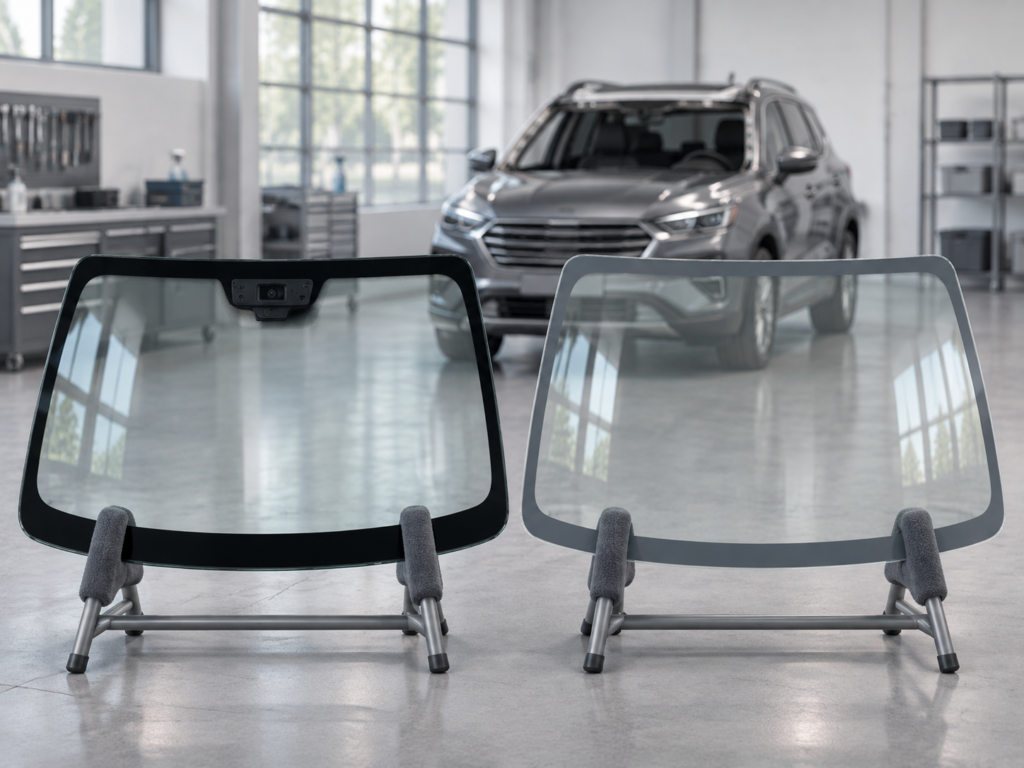
Choosing between OEM and aftermarket parts affects more than price. Windshield replacement cost, ADAS calibration accuracy, and car insurance glass coverage all hinge on which glass type a shop installs. For vehicles with windshield-mounted ADAS cameras, this decision is critical for road safety, not just cosmetics. More than 90% of new vehicles sold in the United States now include at least one ADAS feature, such as lane departure warning or automatic emergency braking, according to the Insurance Institute for Highway Safety (IIHS, 2024).
Insurance companies increasingly specify aftermarket parts to reduce windshield replacement cost, while vehicle manufacturers argue that only OEM glass guarantees original fit and finish. Understanding this distinction helps drivers make informed decisions during windshield repair or replacement. The stakes include not only the sticker price but also calibration accuracy, structural integrity in a collision, and long-term resale value.
The windshield also contributes up to 30% of a vehicle’s structural strength in a rollover crash, according to National Highway Traffic Safety Administration (NHTSA) testing data. This structural role is why glass thickness, bonding method, and curvature precision matter as much as appearance.
Key Characteristics of OEM Glass vs Aftermarket Glass
- Manufacturer Source: OEM glass comes from suppliers like Pilkington, AGC Automotive, Guardian Glass, or Fuyao Glass, contracted directly by vehicle manufacturers. Aftermarket glass is produced independently, sometimes by the same manufacturers under different branding, batches, or quality-control standards.
- Glass Thickness Standards: OEM windshields match the car manufacturer’s exact glass specifications for thickness and curvature, typically within fractions of a millimeter. Aftermarket glass may vary slightly within DOT-approved tolerances, which can affect wind noise and seal fit.
- Optical Clarity: OEM glass typically delivers superior optical clarity, minimizing distortion at the edges and around the camera viewing zone. Quality issues with lower-cost aftermarket windshield glass sometimes include visible waviness, especially in budget-tier brands.
- ADAS Compatibility: OEM windshield glass is engineered for ADAS calibration with precise camera bracket placement, tint bands, and acoustic layers matched to the original sensor suite. Generic auto glass may require additional calibration adjustments or fail calibration on the first attempt.
- Certification: All legal auto glass—OEM and aftermarket—must carry DOT certification and comply with National Highway Traffic Safety Administration standards, including FMVSS 205 (glazing materials) and FMVSS 212 (windshield mounting).
How Windshield Glass Manufacturing and Certification Works
- Design Specification: Vehicle manufacturers provide exact measurements, curvature, and thickness and strength requirements to glass producers, often including proprietary data on bracket mounting points for cameras and rain sensors.
- Material Production: Windshields use laminated glass—two layers bonded with a polyvinyl butyral (PVB) interlayer—for safety, while side windows often use tempered glass. The PVB layer prevents the windshield from shattering into sharp fragments on impact.
- Quality Testing: Glass undergoes impact resistance, optical clarity, and durability testing to meet windshield safety standards, including ball-drop tests and UV-exposure aging simulations.
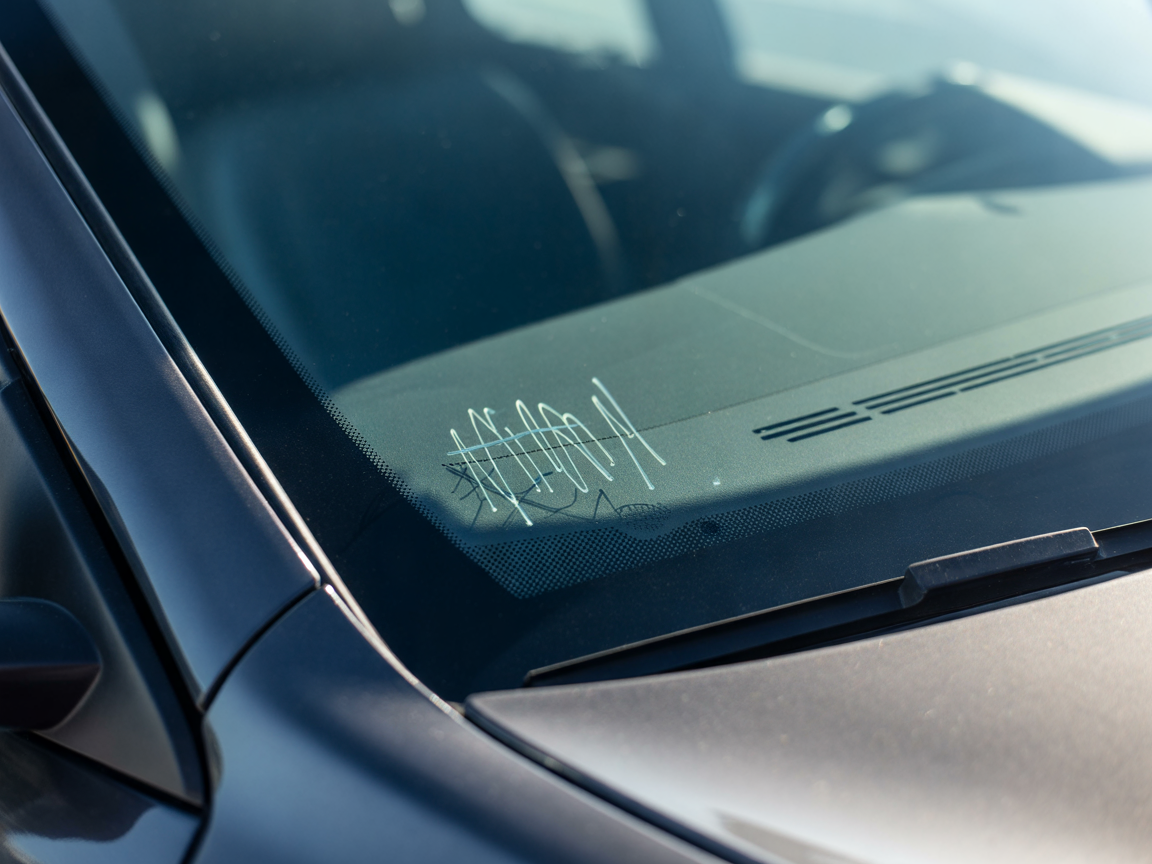
- DOT Certification: Every windshield has a DOT number etched into the glass, confirming compliance with auto glass certification requirements. This code also identifies the manufacturer and plant.
- Distribution: OEM glass ships to dealerships and authorized auto body shops; aftermarket glass sells through independent auto glass shops and national chains like Safelite, often with significantly faster turnaround times.
- Installation: Certified windshield installation technicians follow installation standards set by the Auto Glass Safety Council (AGSC), including adhesive cure times and, when needed, ADAS calibration using manufacturer-specific target boards or dynamic road tests.
Common Misconceptions About OEM and Aftermarket Windshield Glass
Myth: Aftermarket Glass Is Always Lower Quality
Reality: Many aftermarket windshields come from the same factories as OEM glass. Auto glass quality depends more on the specific manufacturer than on the OEM-versus-aftermarket label. A windshield from AGC or Pilkington sold under an aftermarket part number can be nearly identical to the OEM version, minus the vehicle manufacturer’s logo.
Myth: Insurance Never Covers OEM Windshield Replacement
Reality: Does insurance cover OEM windshield replacement? Many policies do, especially for newer vehicles with ADAS, though insurers often default to aftermarket windshield options to control costs. Some states have OEM parts provisions or policy endorsements that let policyholders request original glass for newer vehicles, typically those within the first few model years.
Myth: You Can’t Tell OEM From Aftermarket Glass
Reality: Telling whether a windshield is OEM or aftermarket comes down to checking for the vehicle manufacturer’s logo etched alongside the DOT certification mark—genuine OEM parts display the automaker’s logo; non-OEM parts typically don’t. Look near a lower corner of the windshield for a small etched emblem matching the automaker’s badge.
Myth: All Aftermarket Glass Lacks Warranty Protection
Reality: Reputable auto glass shops offer warranty coverage on aftermarket glass, sometimes matching OEM auto glass warranty terms—commonly a lifetime warranty against leaks and manufacturing defects for as long as the original purchaser owns the vehicle.
Myth: Aftermarket Glass Is Illegal or Unsafe
Reality: Aftermarket windshields sold in the United States must pass the same FMVSS 205 and FMVSS 212 standards as OEM glass. The DOT certification mark is the legal baseline, not an OEM-exclusive feature.
OEM Glass vs Aftermarket Glass: Side-by-Side Comparison
| Factor | OEM Windshield | Aftermarket Windshield |
|---|---|---|
| Manufacturer | Contracted by vehicle manufacturer (e.g., Pilkington, AGC Automotive) | Independent auto glass manufacturers |
| Fit and Finish | Exact factory match | Generally close, minor variance possible |
| Average Cost | $300–$900+ | $200–$500 |
| ADAS Calibration | Typically more accurate on the first attempt | May require extra calibration attempts and cost |
| Branding | Vehicle manufacturer logo etched | Glass brand logo only |
| Availability | Dealerships, select auto body shops | Wide availability, including national chains |
| Insurance Preference | Covered by some policies for ADAS vehicles | Preferred by insurers to lower claims costs |
| Typical Lead Time | 2–7 days (special order from dealer network) | Same day to 2 days (wide distributor stock) |
| Warranty Coverage | Manufacturer-backed on defects; shop-backed on workmanship | Shop-backed, often lifetime on leaks and defects |
Is OEM Windshield Glass Better Than Aftermarket for ADAS Vehicles?
Is OEM windshield glass better than aftermarket when ADAS cameras are involved? Precise glass curvature and bracket placement directly affect camera calibration accuracy. OEM windshield glass reduces recalibration errors because it replicates the original specifications exactly, including the frit pattern (the black ceramic border) that shields the camera from glare.
However, premium aftermarket brands increasingly produce ADAS-compatible glass tested to equivalent standards. The key differentiator is whether the specific aftermarket product has been validated for the vehicle’s camera system, not simply whether it carries an aftermarket label. Shops should check whether the aftermarket part number is listed as an approved equivalent in the vehicle manufacturer’s ADAS calibration documentation before installation.
Static calibration, performed with a target board in the shop, typically costs $150–$400 and takes 30–90 minutes. Dynamic calibration, performed by driving the vehicle under specific conditions, can add another $100–$250. Choosing mismatched glass increases the risk of repeat calibration attempts, adding both labor costs and vehicle downtime.
Practical Applications: Choosing Between OEM and Aftermarket Windshield
For Insurance Claims
Choosing OEM vs aftermarket glass for insurance claims often depends on policy language. Comprehensive coverage may permit OEM glass requests, especially for leased vehicles or cars under three years old, while liability-only policies typically don’t cover windshield damage at all. Drivers should request an OEM parts endorsement in writing when purchasing or renewing a policy if OEM glass matters to them.
For Resale Value
OEM windshield glass affects car resale value most for luxury and late-model vehicles, where buyers and inspectors check for manufacturer branding as a quality signal. An aftermarket windshield on a vehicle still under factory warranty can occasionally raise questions during a pre-purchase inspection, even when the glass performs identically.
For Budget-Conscious Repairs
The pros and cons of aftermarket windshield glass include a lower upfront replacement cost but potential trade-offs in optical clarity or calibration precision. For many standard vehicles without ADAS, the best aftermarket windshield glass brands deliver comparable safety performance at a reduced cost—often saving $100–$400 per replacement compared to OEM pricing.
Making an Informed Decision
Before scheduling an OEM or aftermarket windshield replacement, ask your installation shop about glass thickness comparison data, calibration requirements, and warranty terms specific to your vehicle’s ADAS configuration. Request the DOT code and supplier name in writing so you can verify sourcing independently if needed.
OEM vs Aftermarket Windshield: Quick Reference Summary
- Choose OEM when: Your vehicle has complex ADAS, is under warranty, or resale value is a priority.
- Choose aftermarket when: Budget is the primary concern and the vehicle lacks advanced camera systems.
- Always verify: DOT certification and auto glass certification marks, regardless of the glass type chosen.
- Always confirm: Whether windshield calibration is included in the installation price.
- Always ask: Whether the shop is AGSC-certified and whether the warranty covers leaks, stress cracks, and calibration errors.
Both OEM and aftermarket windshield glass can meet rigorous windshield safety standards when sourced from certified auto glass manufacturers. The right choice depends on vehicle age, ADAS features, insurance coverage, and budget priorities. Drivers who compare these factors before replacement day avoid surprise costs and ensure their safety systems function as designed.
Frequently Asked Questions
What is the difference between OEM and aftermarket windshield glass?
OEM windshield glass is made by or for the original vehicle manufacturer to exact factory specifications. Aftermarket windshield glass is made by third-party manufacturers to meet general safety standards. Both must meet federal safety requirements, but they can differ in fit, optical clarity, and ADAS compatibility.
Is aftermarket windshield glass safe?
Yes. Aftermarket windshields sold in the United States must pass the same FMVSS 205 and FMVSS 212 standards as OEM glass and carry a DOT certification mark.
How can I tell if my windshield is OEM or aftermarket?
Check near a lower corner of the windshield for the vehicle manufacturer’s logo etched alongside the DOT certification mark. OEM glass shows the automaker’s logo; aftermarket glass typically shows only the glass brand’s logo.
Does insurance cover OEM windshield replacement?
Many policies do, especially for newer vehicles with ADAS, though insurers often default to aftermarket glass to control costs. Drivers who want OEM glass should request an OEM parts endorsement in writing when buying or renewing a policy.
Is OEM windshield glass better for vehicles with ADAS?
OEM glass reduces recalibration errors because it replicates the original curvature, bracket placement, and frit pattern exactly. Premium aftermarket glass can also work if it has been validated for the vehicle’s camera system.
How much does ADAS calibration cost after windshield replacement?
Static calibration typically costs $150–$400 and takes 30–90 minutes. Dynamic calibration can add another $100–$250.
